All About Rockets
Rockets are one of my primary interests — particularly engine cycles, nozzle design, staged combustion, and the structural engineering required to survive max-Q.
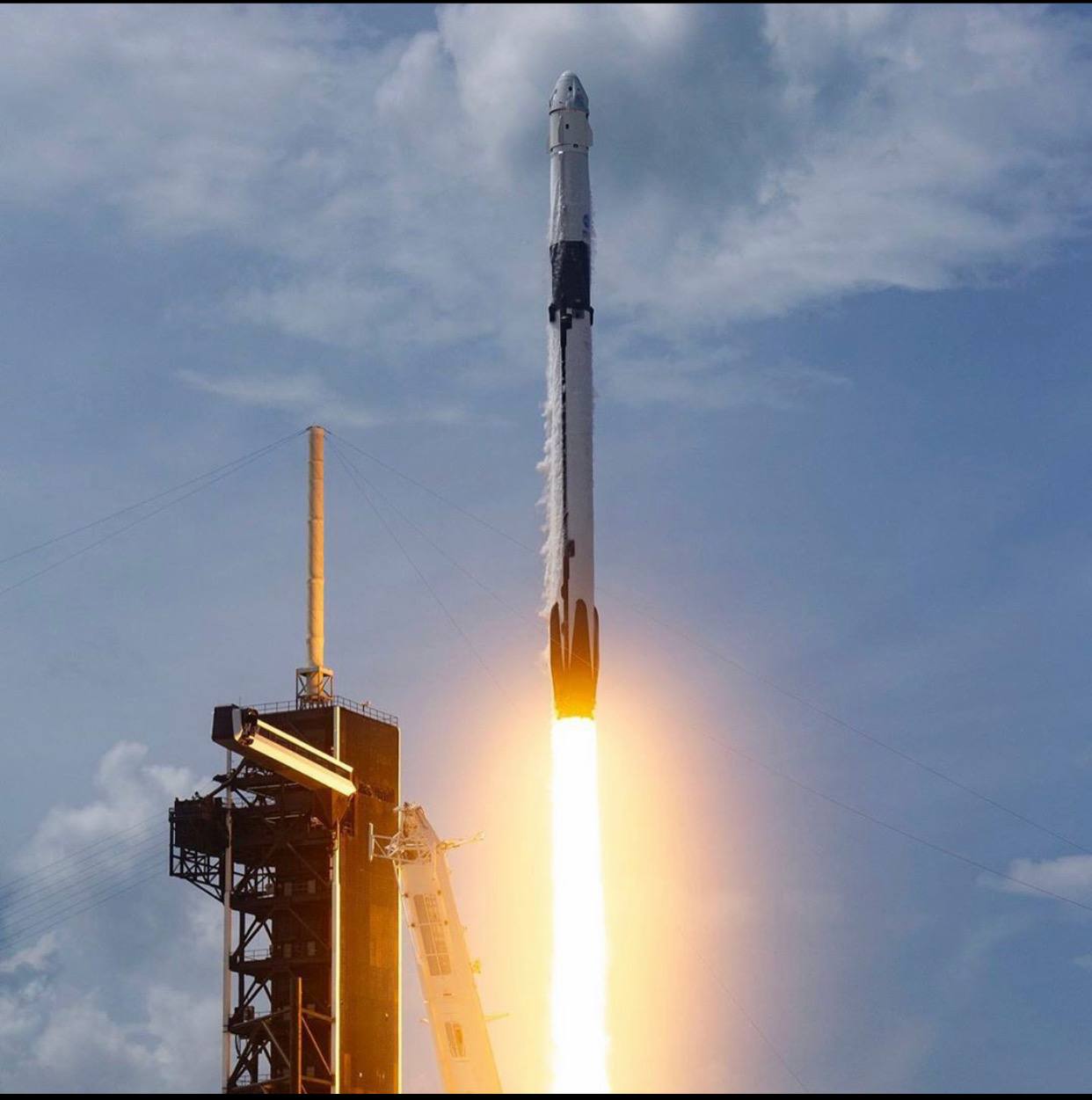
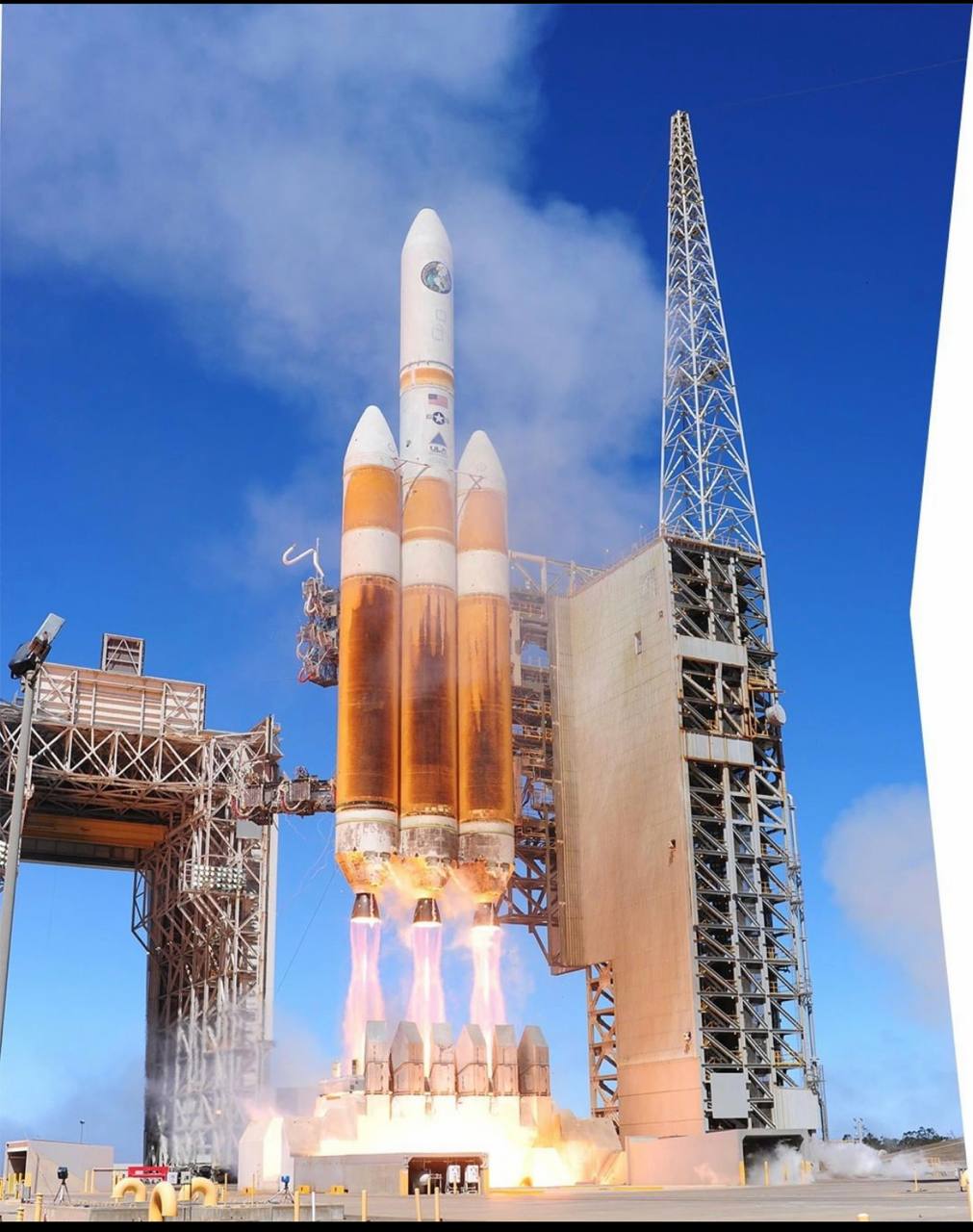
The Saturn V's F-1 engines remain the most powerful single-chamber liquid-fuel rocket engine ever flown — 6.7 MN thrust each, five per cluster, burning RP-1/LOX at approximately 2,500 kg/s. The staged combustion cycle, turbine inlet temperatures, and the injector plate design that prevented combustion instability remain impressive engineering achievements decades later. Rocket propulsion sits at the edge of what thermodynamics and materials science currently allow — Isp, chamber pressure, and turbine inlet temperature are a constant three-way trade-off that every engine program has to solve differently.
The Falcon 9 is notable for achieving first-stage reusability at an operational scale, which was widely considered impractical before its introduction. The Merlin 1D engine's 845 kN thrust and 311 s Isp (vacuum) at a 184:1 TWR, combined with the booster's hypersonic grid-fin steering and landing algorithm, made propulsive landing routine. The Falcon 9 Block 5 has flown over 20 missions without refurbishment on some cores. The Delta IV Heavy, by contrast, represents the end of the hydrogen-core heavy-lift era — its RS-68A engines produce 3.1 MN each at sea level, burning hydrolox with a specific impulse of 412 s (vacuum), making it one of the most efficient booster engines ever flown. Production ended in 2024, replaced by the Vulcan-Centaur architecture.
I follow development across the major programs: Starship's iterative all-up approach to full reusability, Ariane 6's cost-disciplined evolution, Electron's carbon-composite battery-pump cycle, and the expanding Chinese heavy-lift portfolio (Long March 5, 9, 10). Every program represents a different answer to the same fundamental problem — the rocket equation — and the trade-offs each designer makes are what makes the field interesting.
Blog
Blog posts coming soon
Check back later — I'm crafting something worth reading.
First post in progress
Deep dives on engine cycles, nozzle design, and the economics of reusability.