All About Tanks
Tanks are one of my favorite engineering subjects — the constant negotiation between firepower, mobility, and protection, and the wildly different solutions different countries arrive at for the same problem.
M1 Abrams — My favorite tank
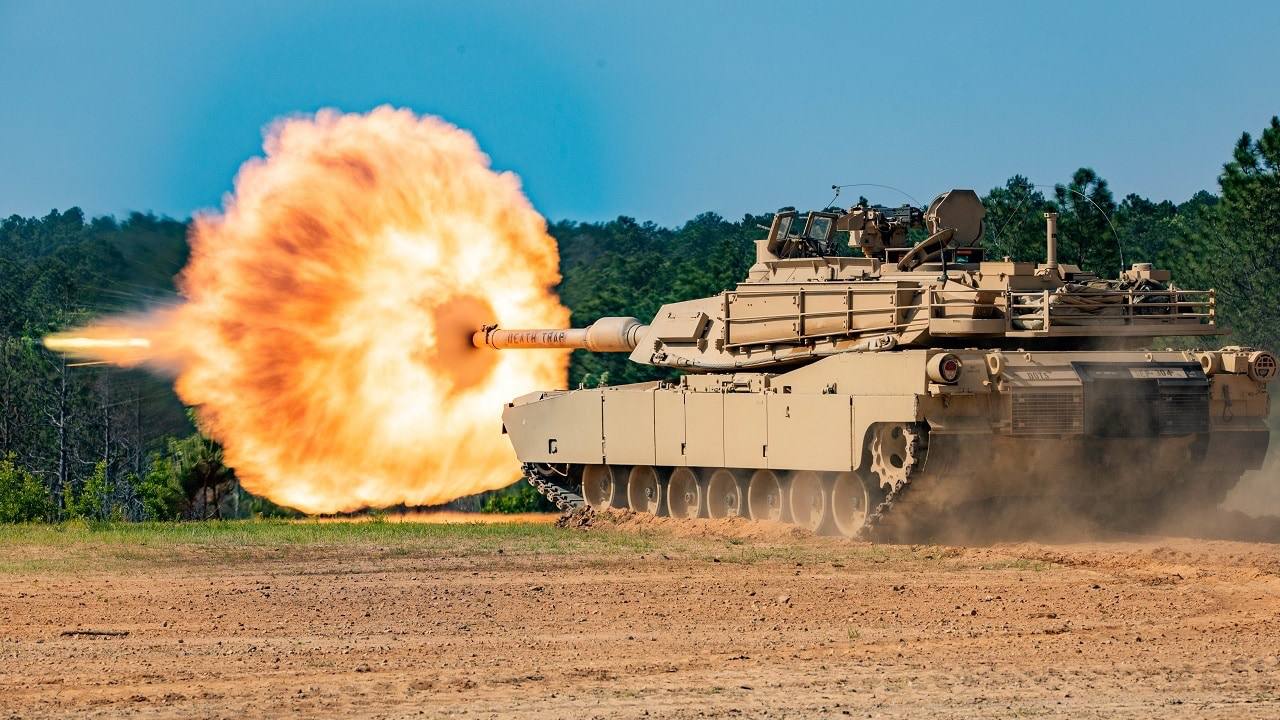
The Abrams is my favorite tank, and for good reason. Its AGT1500 gas turbine delivers 1,500 shaft horsepower with a power-to-weight ratio that lets a 70-ton vehicle out-accelerate most other MBTs. The turbine's multi-fuel capability (diesel, JP-8, gasoline) and reduced acoustic signature compared to diesels are practical advantages that often go unmentioned. The Honeywell unit is a remarkable piece of engineering — a 1,500hp turbine small enough to be swapped in under an hour in field conditions.
The armor package is equally impressive. Chobham composite (classified ceramic-polymer-ceramic sandwiches) forms the base, with depleted uranium mesh inserts in the M1A1HA and M1A2 SEP variants providing increased density against long-rod penetrators. The M1A2C adds Trophy hard-kill APS, which defeats incoming rockets and ATGMs with directed fragmentation — giving the Abrams a defensive layer that extends beyond passive armor. The 120mm M256 smoothbore (licensed Rheinmetall Rh-120 L/44, L/55 on M1A2C) fires M829A4 APFSDS-T rounds at 1,740 m/s, with penetration estimates exceeding 700mm RHA at 2km. The CITV allows hunter-killer engagement — the commander scans and designates independently while the gunner engages a separate target.
It's not just the individual systems — the Abrams represents a design philosophy of over-engineering for dominance rather than adequacy. That approach has kept it competitive for over forty years, and the current M1A2C variant is still among the most survivable tanks in service anywhere in the world.
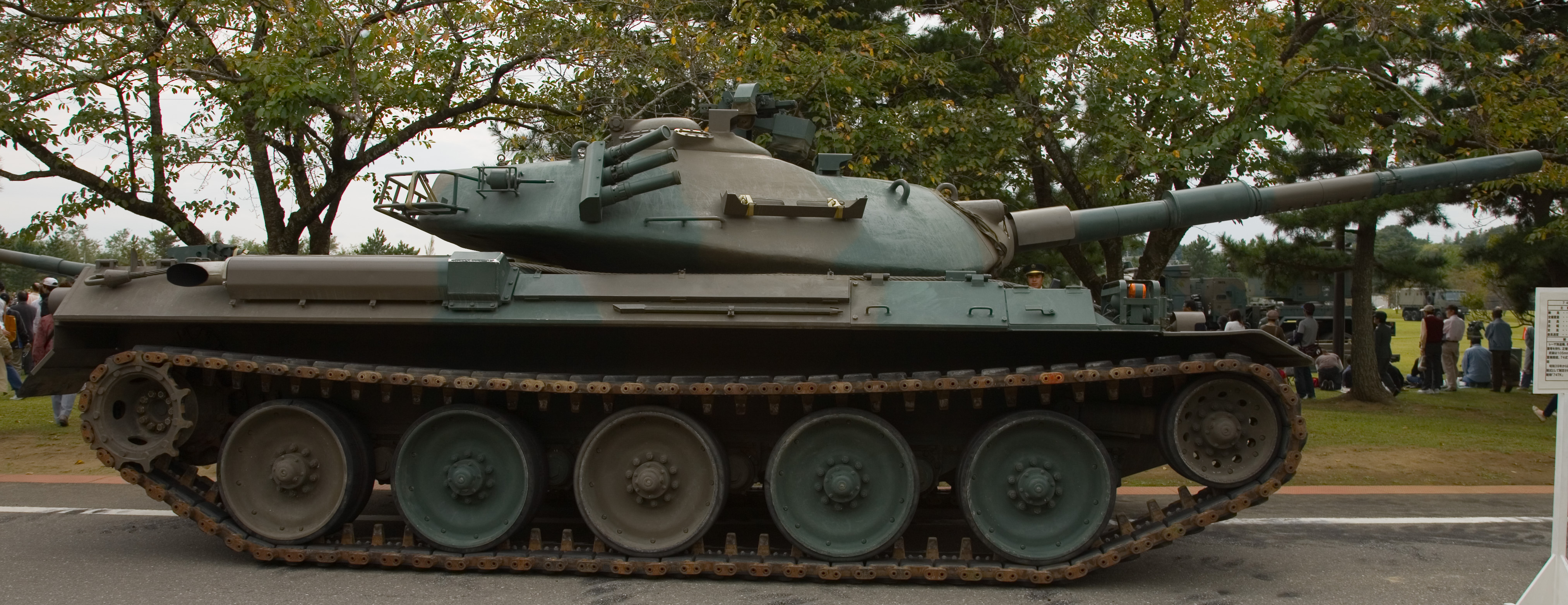
The STB-1 / Type 74 is interesting for entirely different reasons. It's much lighter than the Abrams, uses a hydropneumatic suspension that lets the hull kneel for reduced silhouette in hull-down positions, and incorporates an autoloader for the 105mm L7. It was designed for Japan's mountainous terrain and limited road network — a pragmatic response to a specific operational environment that differs fundamentally from the European plains the Abrams was built for. The low-profile turret and suspension adjustability make it one of the more technically elegant solutions to the MBT problem.
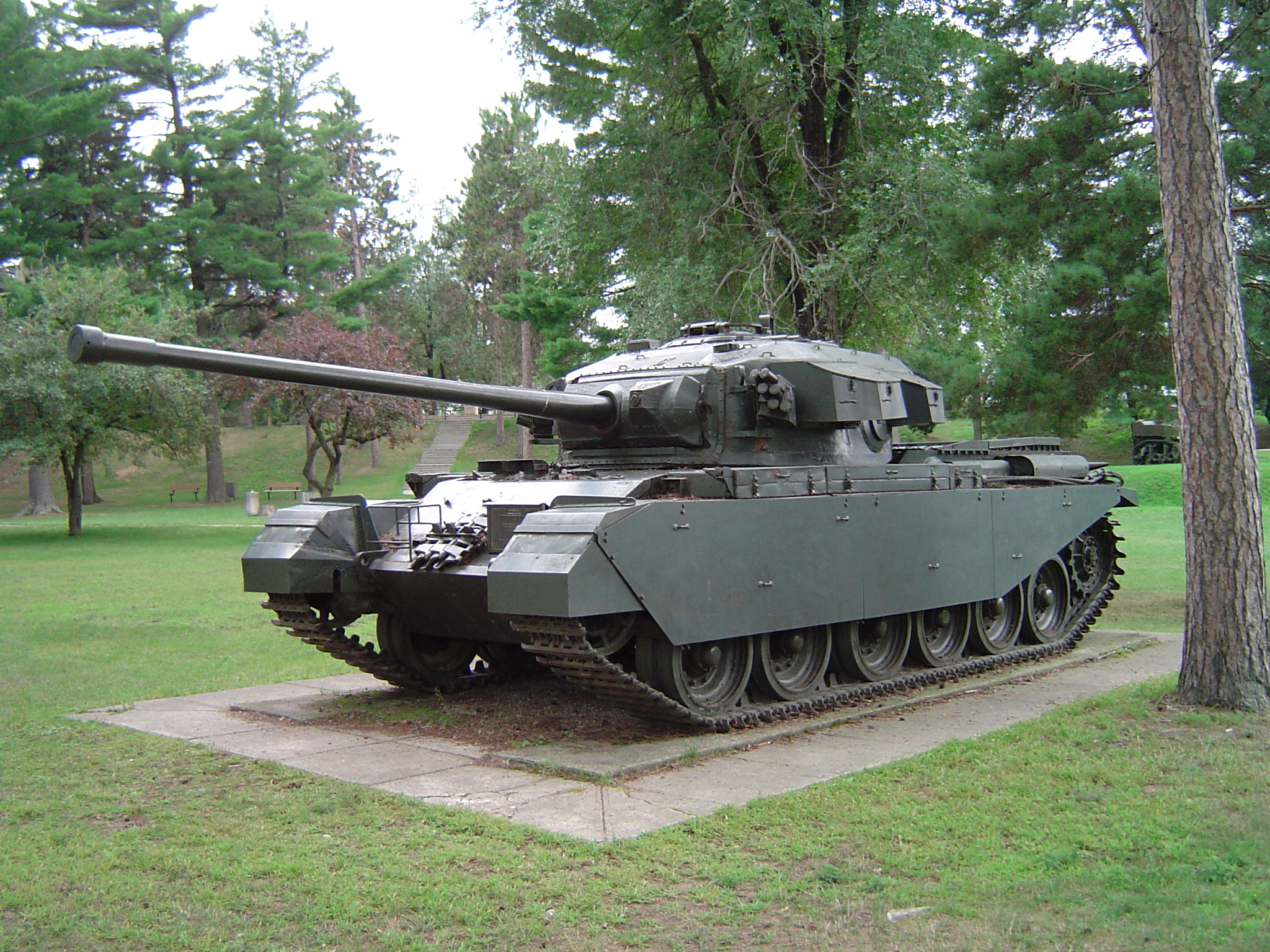
The Centurion Action X represents the planned evolution of the Centurion line — a curved cast turret with improved ballistic protection and a 105mm L7 that would have kept the design competitive into the 1980s. The turret was never mass-produced, but surviving examples show what was arguably the peak of the Centurion's development trajectory. The base Centurion itself demonstrated remarkable longevity — its hull was adapted through the Chieftain and into the Challenger lineage that remains in service today.
Blog
Blog posts coming soon
Check back later — I'm crafting something worth reading.
First post in progress
Deep dives on armor composition, autoloader mechanisms, and tank-on-tank engagement dynamics.